Form & proportion studies
We develop the geometry of displays, products and spatial concepts. Views from different angles help assess scale, balance and the relationships between components.

99 atoms london / What we do
Imagine it.See it. Make it.
Seeing an idea in three dimensions makes the conversation more concrete. We develop 3D models and visualisations that help you explore form, proportion, materials and light before production.
Let’s explore your idea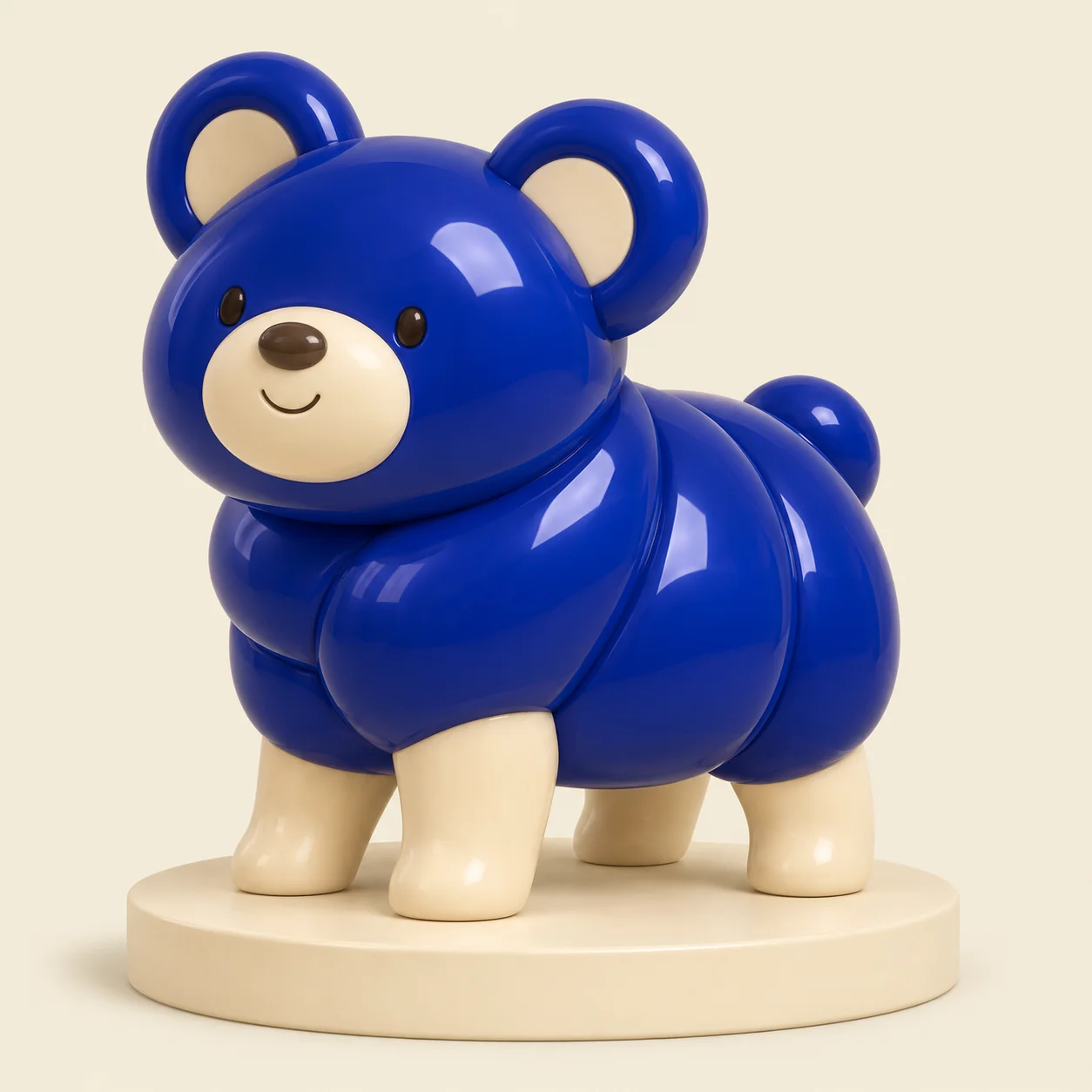
A considered approach
A sketch leaves room for interpretation. A model can reveal how a display sits in a space, how a product relates to its support or how a finish changes the overall impression. 99 atoms london uses visualisation as a design tool, giving teams a shared reference for discussing and refining a concept.
The possibilities
We develop the geometry of displays, products and spatial concepts. Views from different angles help assess scale, balance and the relationships between components.
Surface finish, colour and light affect how a design reads. Render studies allow different directions to be compared before physical samples and production decisions.
We place ideas in context so the setting and the object can be considered together. The level of detail is tailored to the decisions the visualisation needs to support.
From idea to detail
We agree the purpose of the model, reference material and required views. Initial form studies come before more detailed materials and lighting. Review points allow the design to develop without treating a polished render as a substitute for technical confirmation.
Start wherever you are
Share sketches, dimensions, reference photographs or existing drawings. Tell us whether the images are for concept review, stakeholder approval or another use, and which details need to be accurate.
Build your briefA few useful answers
No. A render communicates appearance and spatial intent. Fabrication needs appropriate dimensions, specifications and technical checks; these should be agreed separately within the project scope.
Yes. Rough sketches and references can be a starting point. We clarify missing dimensions, assumptions and the intended use of the model before developing it.
Yes. Material and colour variations can be explored in the model. Physical samples remain important because lighting, screens and real materials can produce different results.